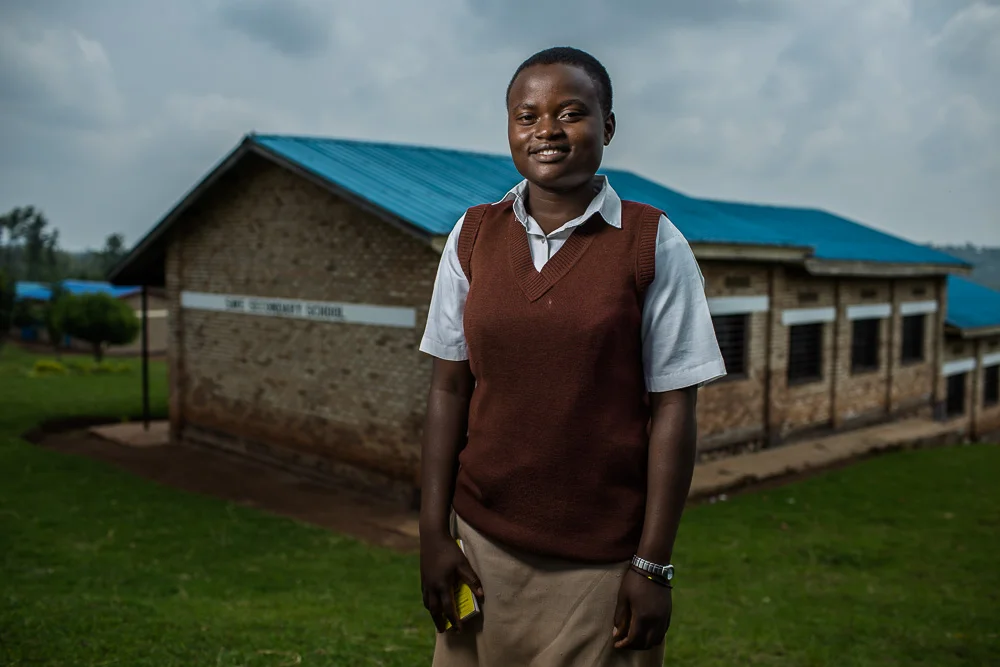
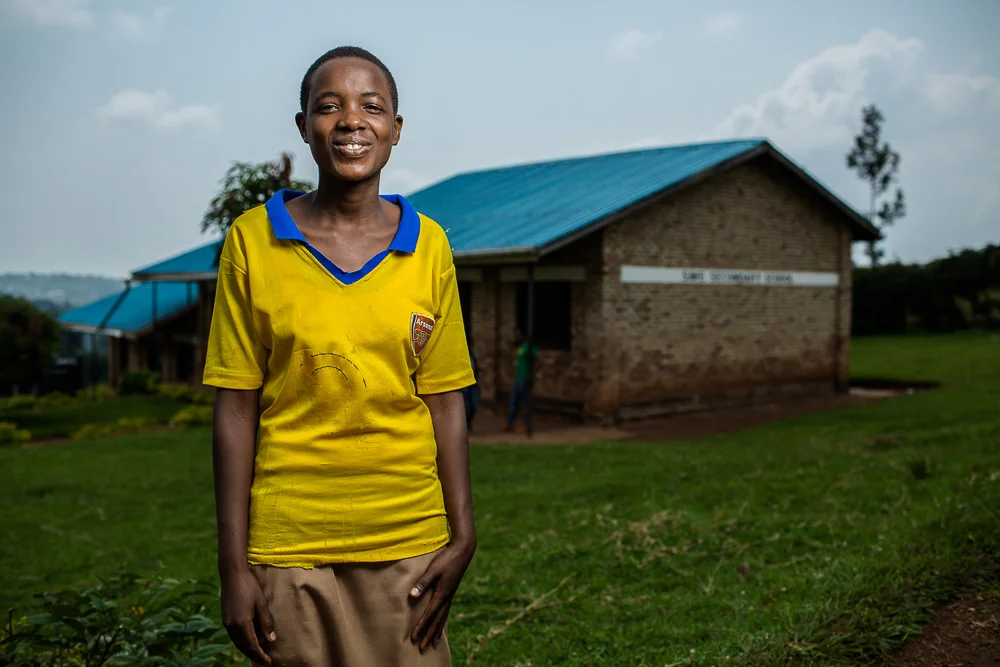
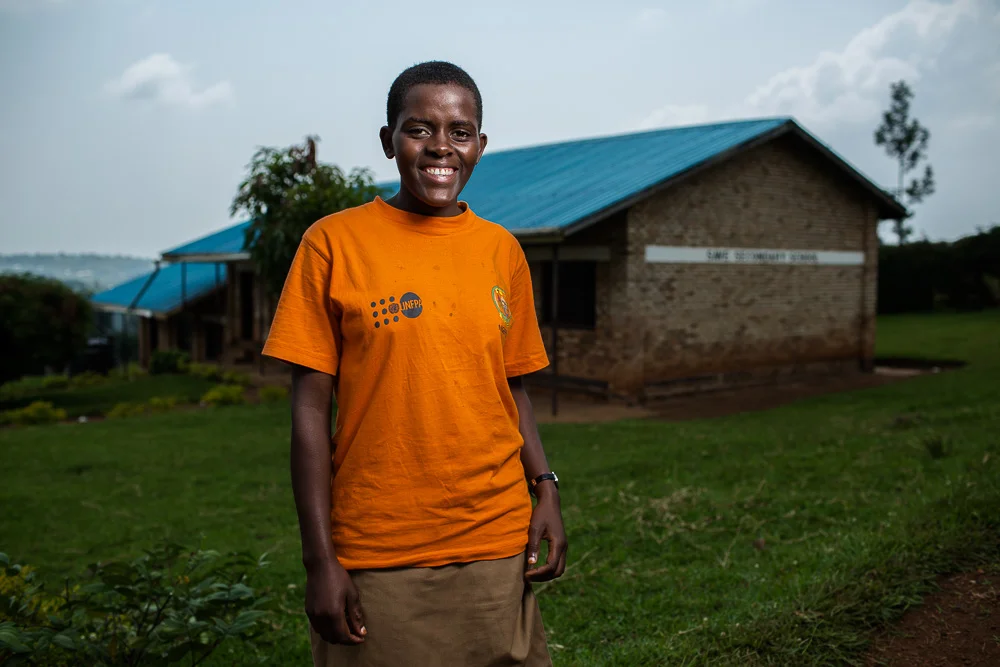
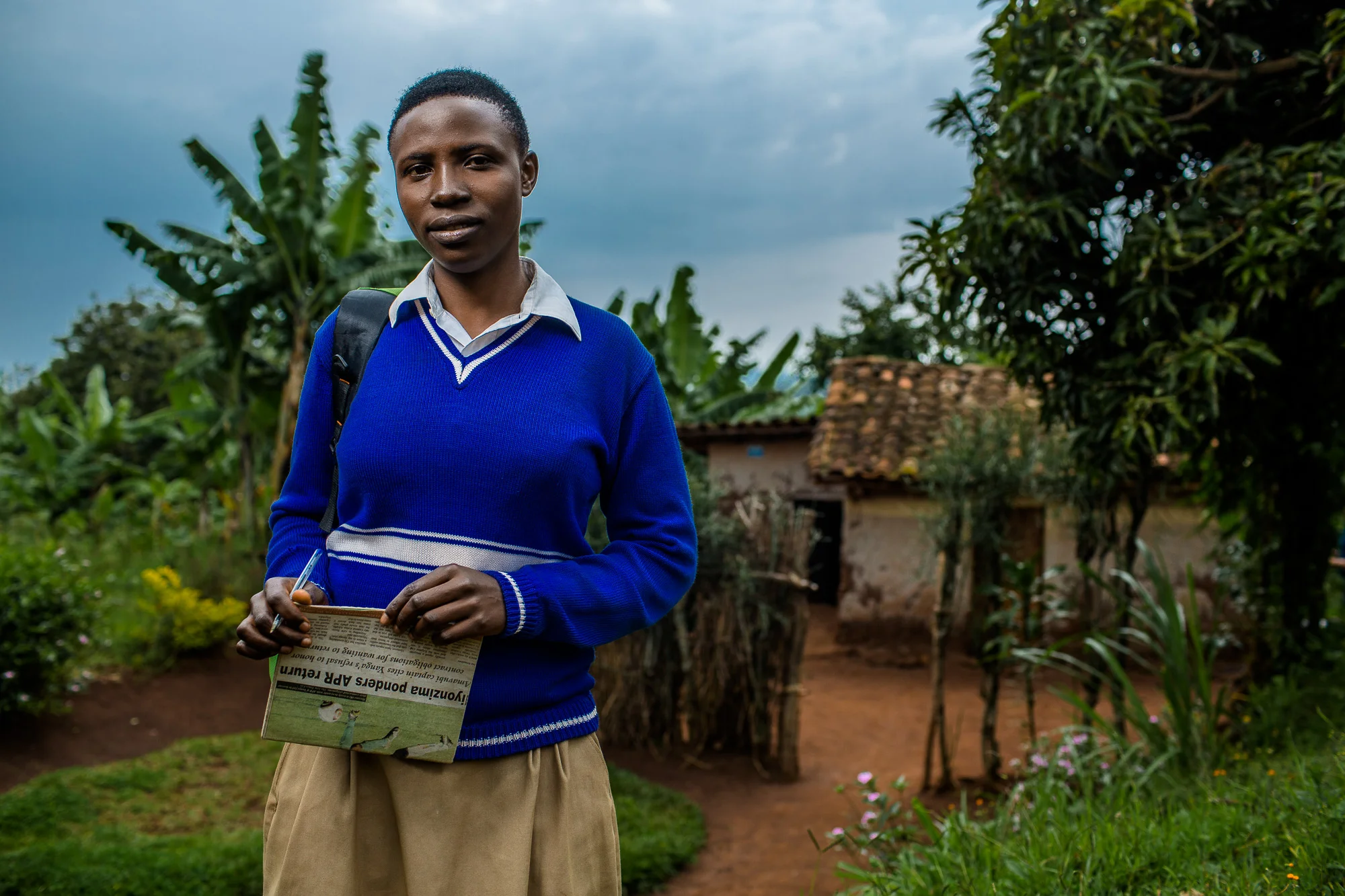
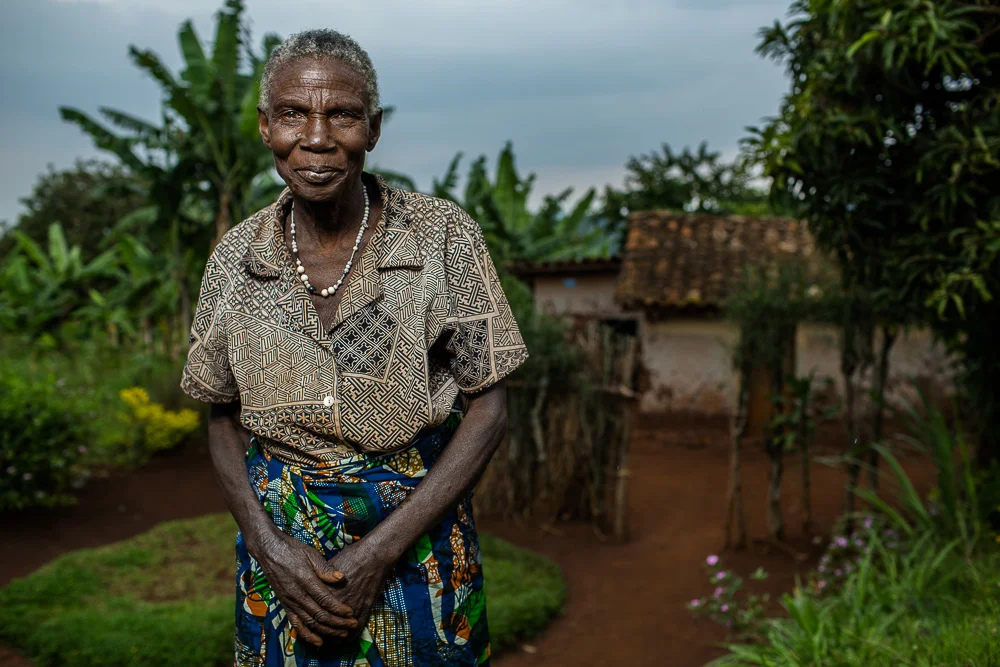
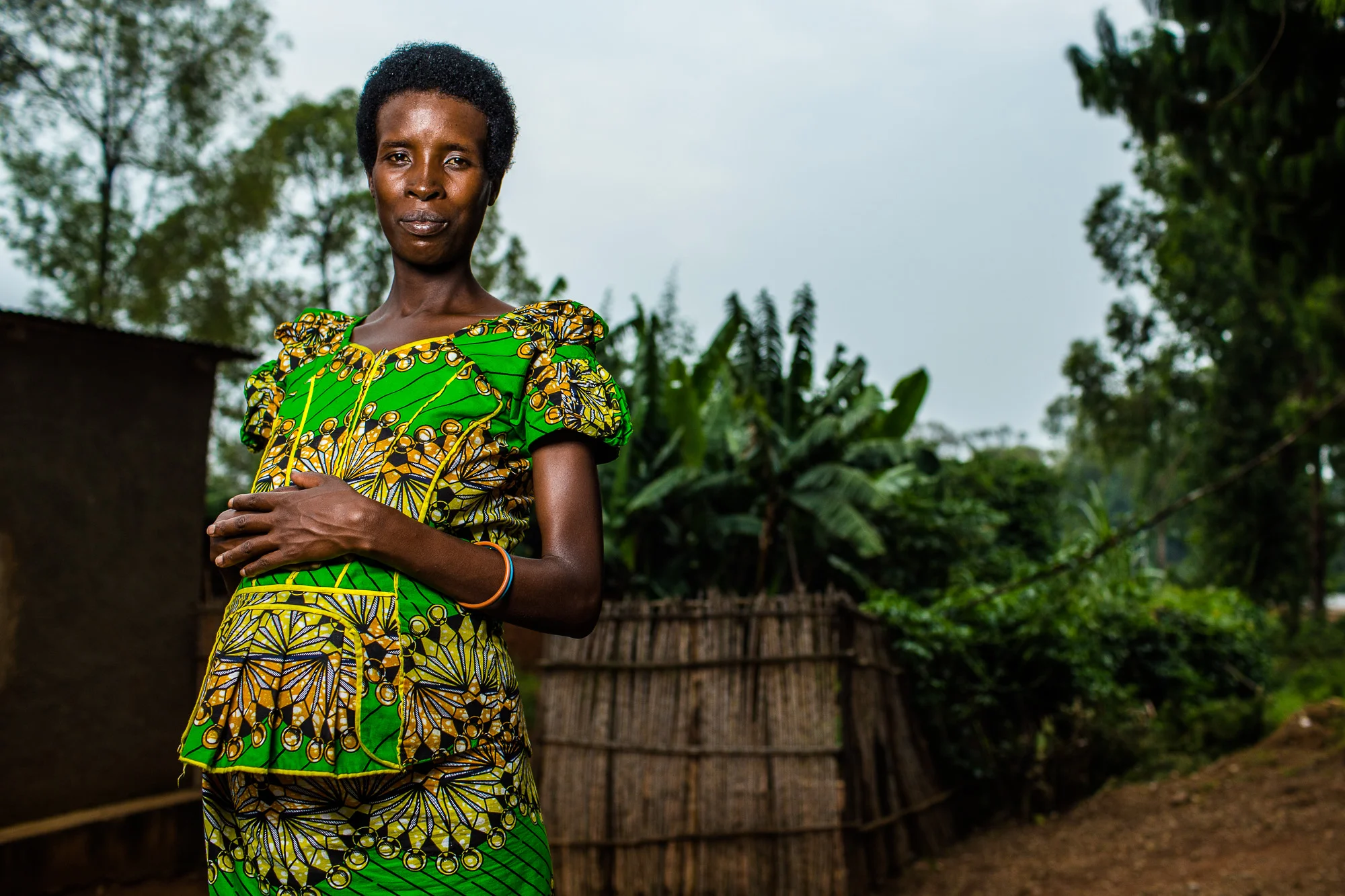
CARE's adolescent girls empowerment program, Keeping Girsl in School (KGAS), at Save Primary School in Gisagara District in Rwanda addresses social, emotional and ecnomic challenges of girls so that they are motivated and confident to go and stay in school. Their teacher Chantal Mgakeshimana, 40, educates adolescent girls about reproductive health, preventing pregnancy, why it's important for girls to stay in school, and how to manage their resources.
The Government of Rwanda has a policy framework to ensure fee-free, nine year basic education for all Rwandan children. Nevertheless, girls continue to be less likely to complete their schooling than boys. In 2010, only 78% of girls progressed from secondary 3 to upper secondary, compared to 92% of boys.
In Rwanda girls fight pressure from their families to stay in school instead of staying home to take care of household chores or get married. Boys often pressure girls to have sex telling them lies like "if you have sex during the day, you won't get pregnant." Or, that if the have sex with them their menstrual cycle will be shorter.
The Keeping Girls in School (KGAS) program (i) establishes girls clubs which provide opportunities for girls to learn social skills and become more confident; (ii) trains teachers as psychosocial mentors and provide opportunities for girls to discuss difficult issues, in particular issues affecting their emotional wellbeing; (iii) proviedes opportunities for girls to learn financial management skills and engage in savings, loans and Income Generating Activities, and; (iv) allows girls to raise concerns and influence decisions affecting their education experience through the Community Score Card approach.