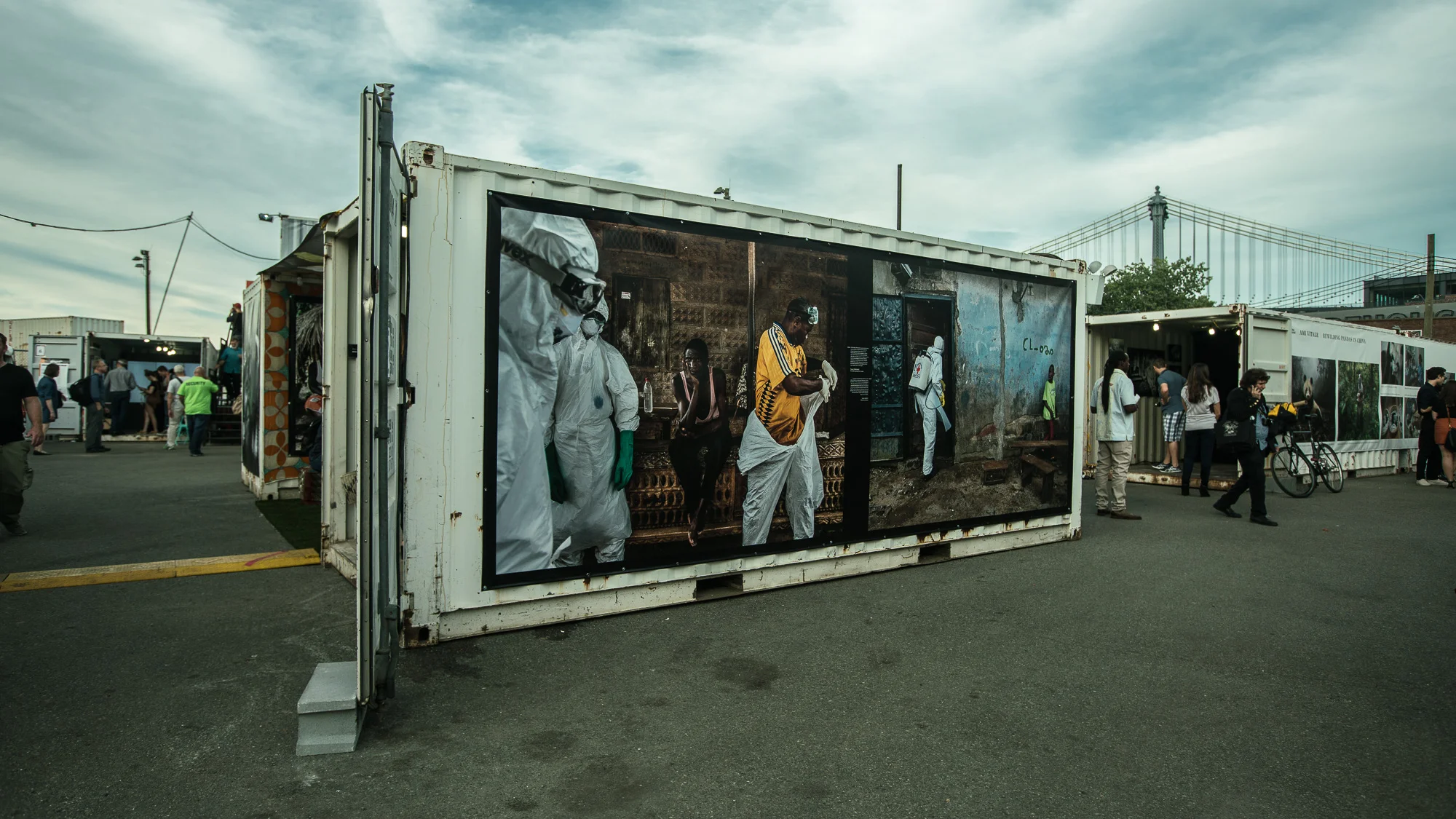
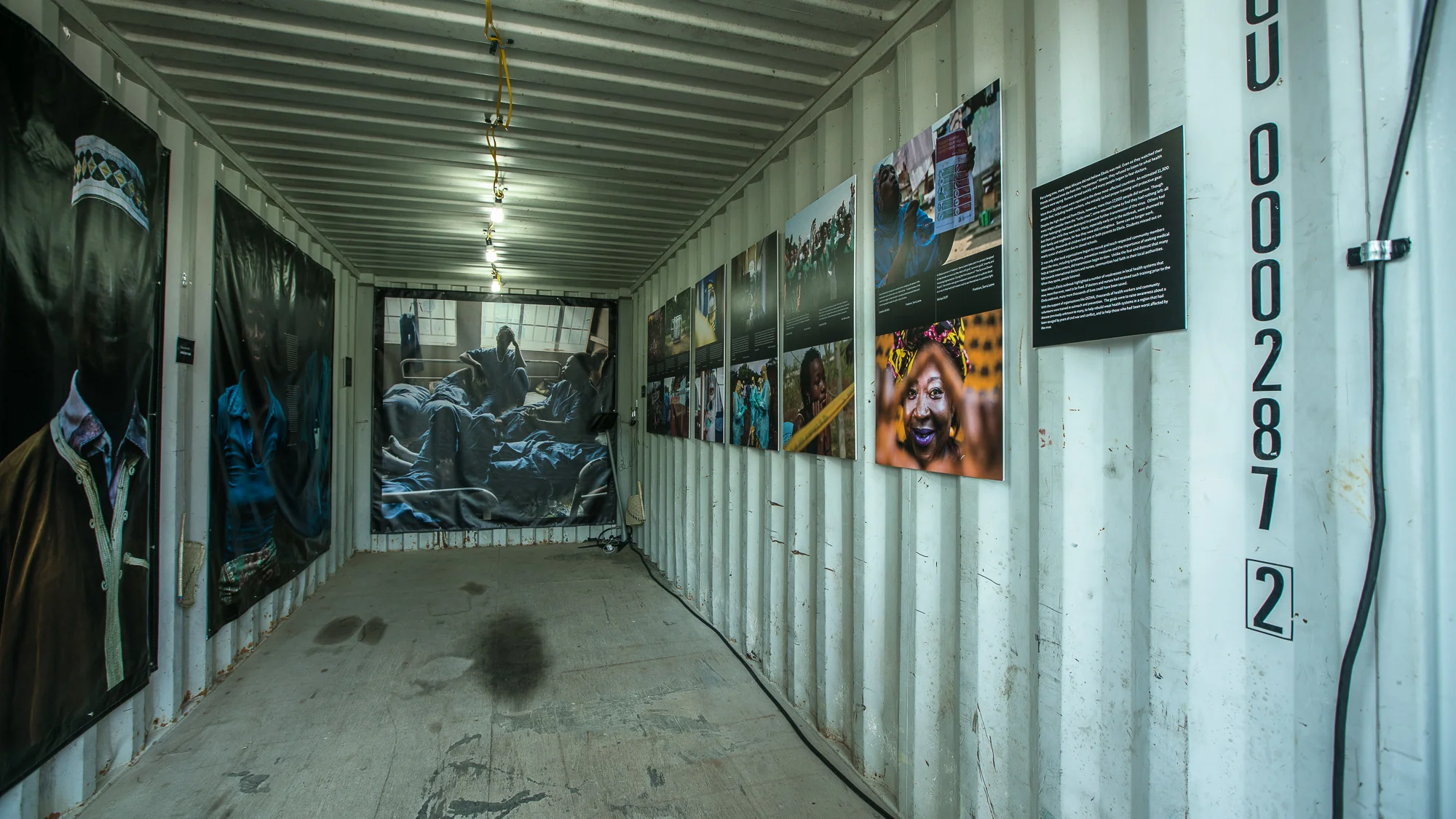
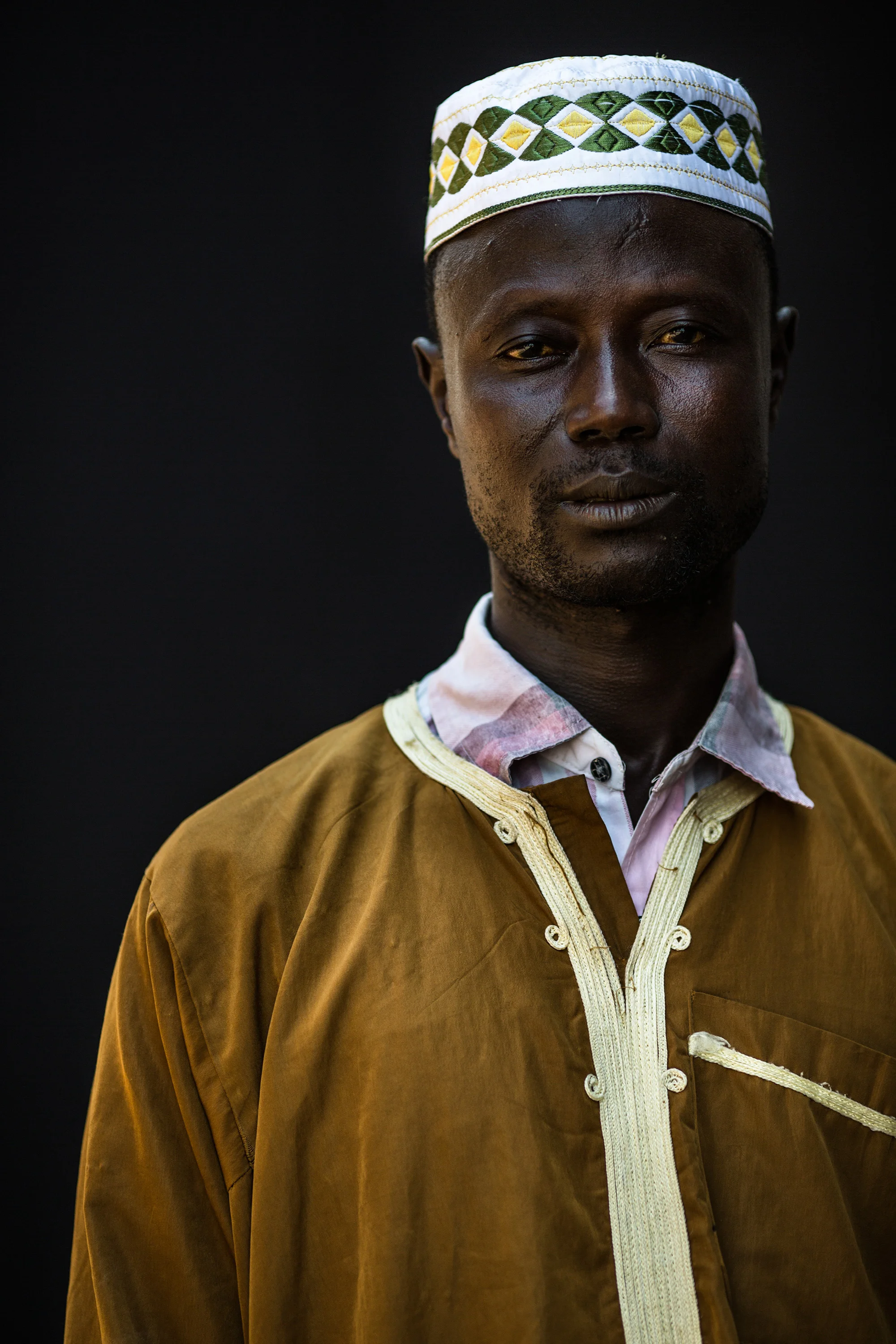
This week a selection of Morgana Wingard's portraits of Ebola survivors are being displayed at the Ebola Through the Lens exhibit curated by Open Society Foundation at Photoville at the Brooklyn waterfront. If you're in town, you won't want to miss it!
We'll also be speaking at the Images of Africa: Lessons Learned from Media Coverage of Crises panel discussion on Sunday, September 24 from 4-5pm at the Photoville Pavillion.
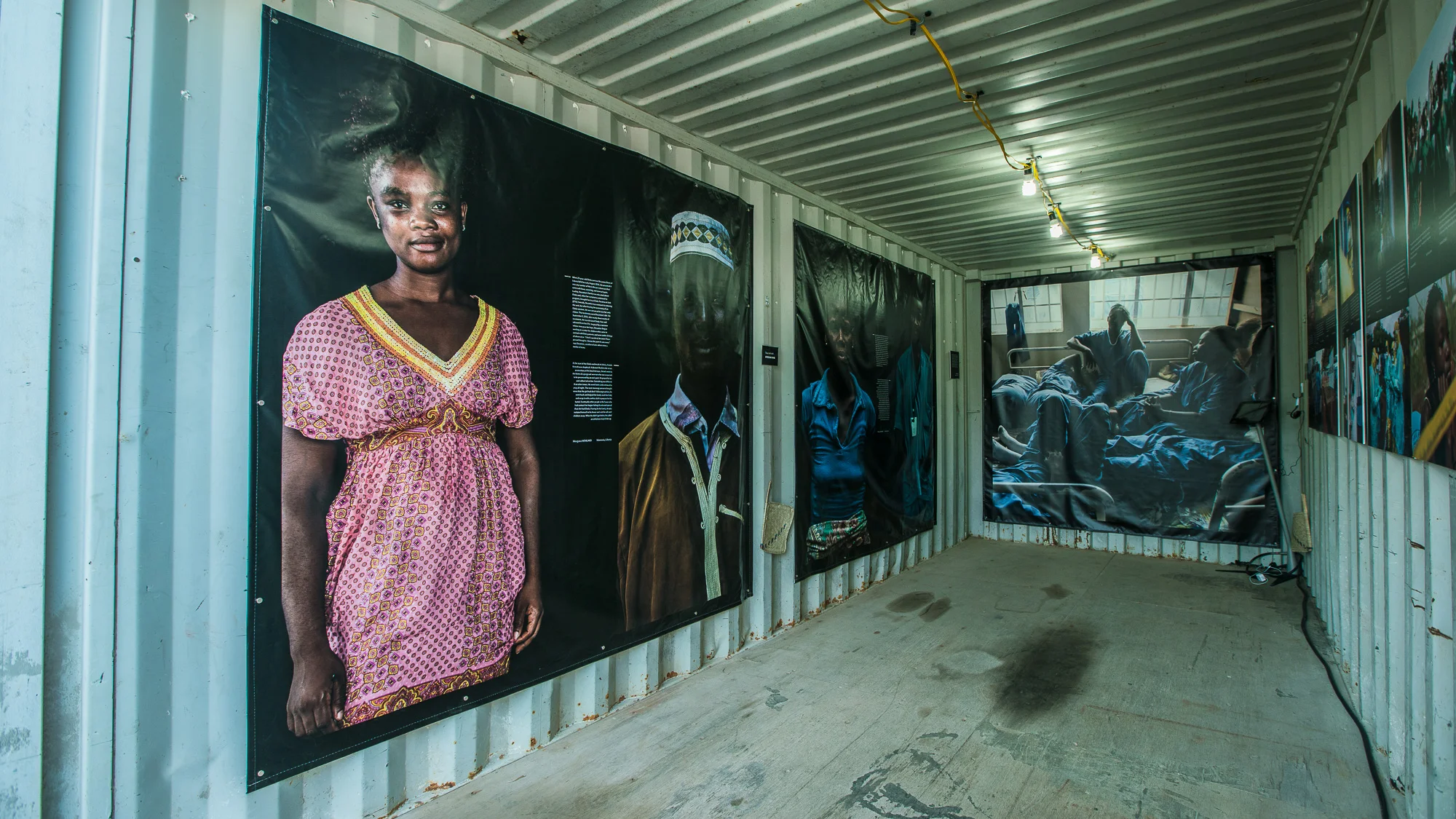
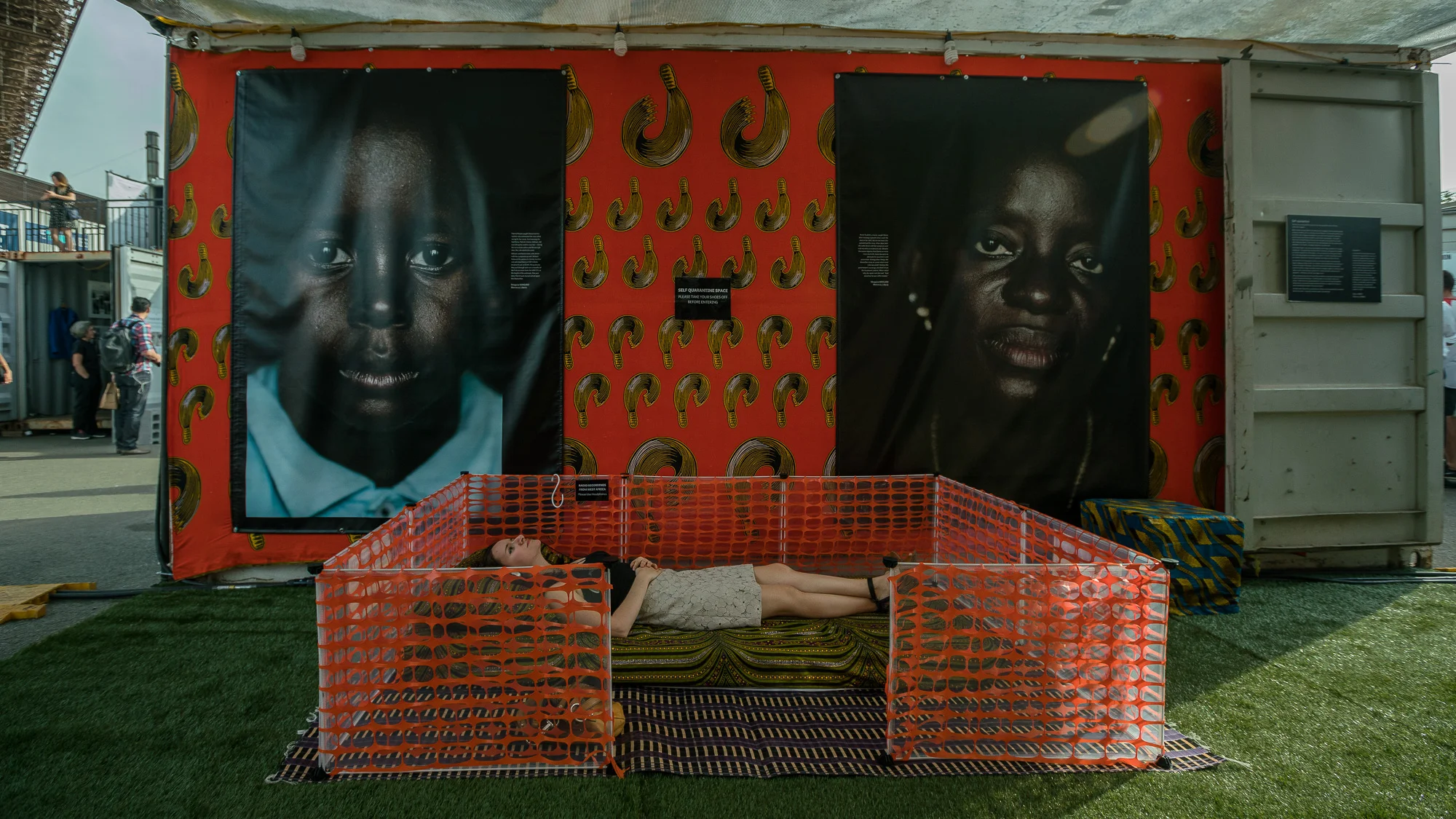
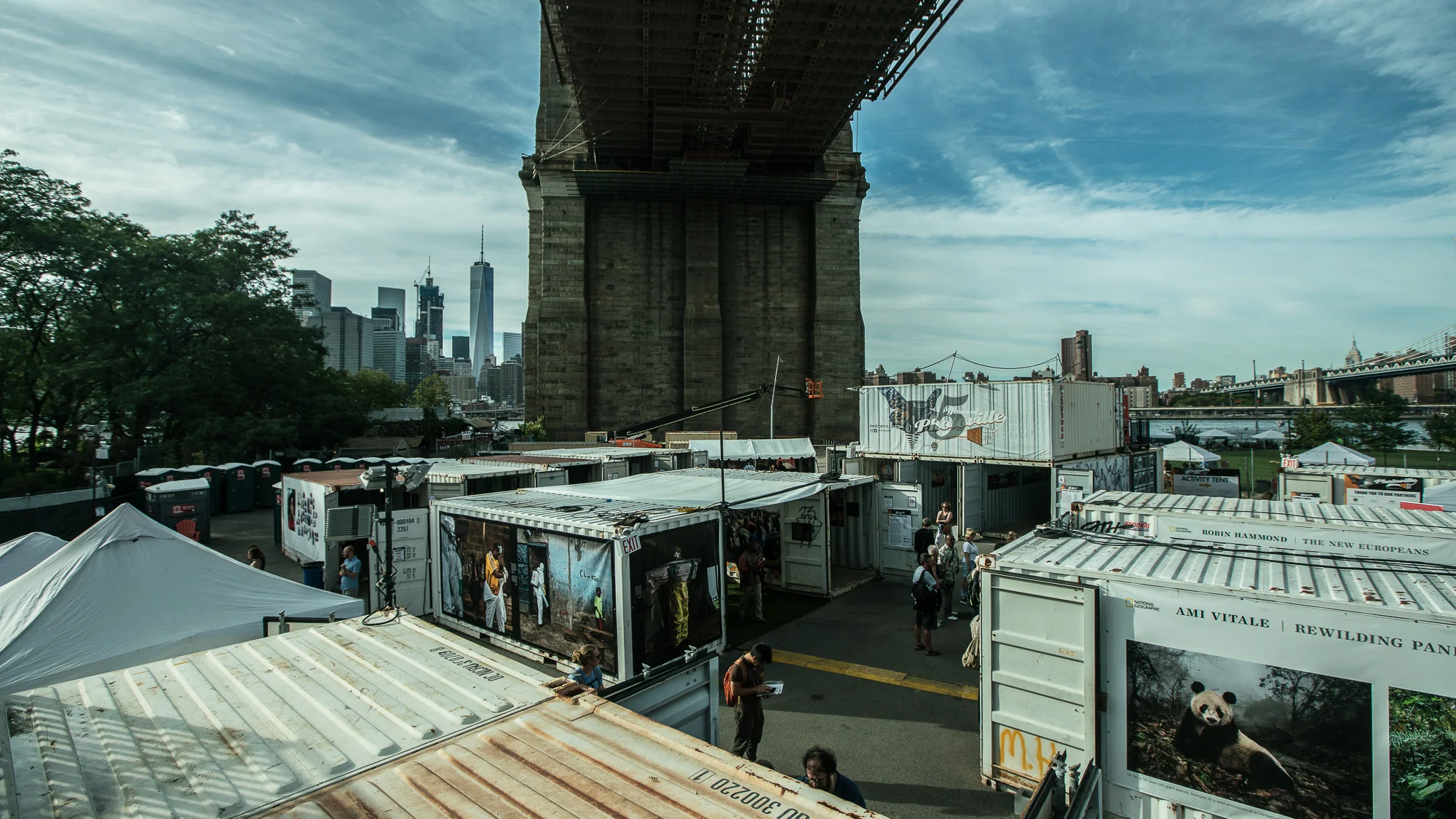
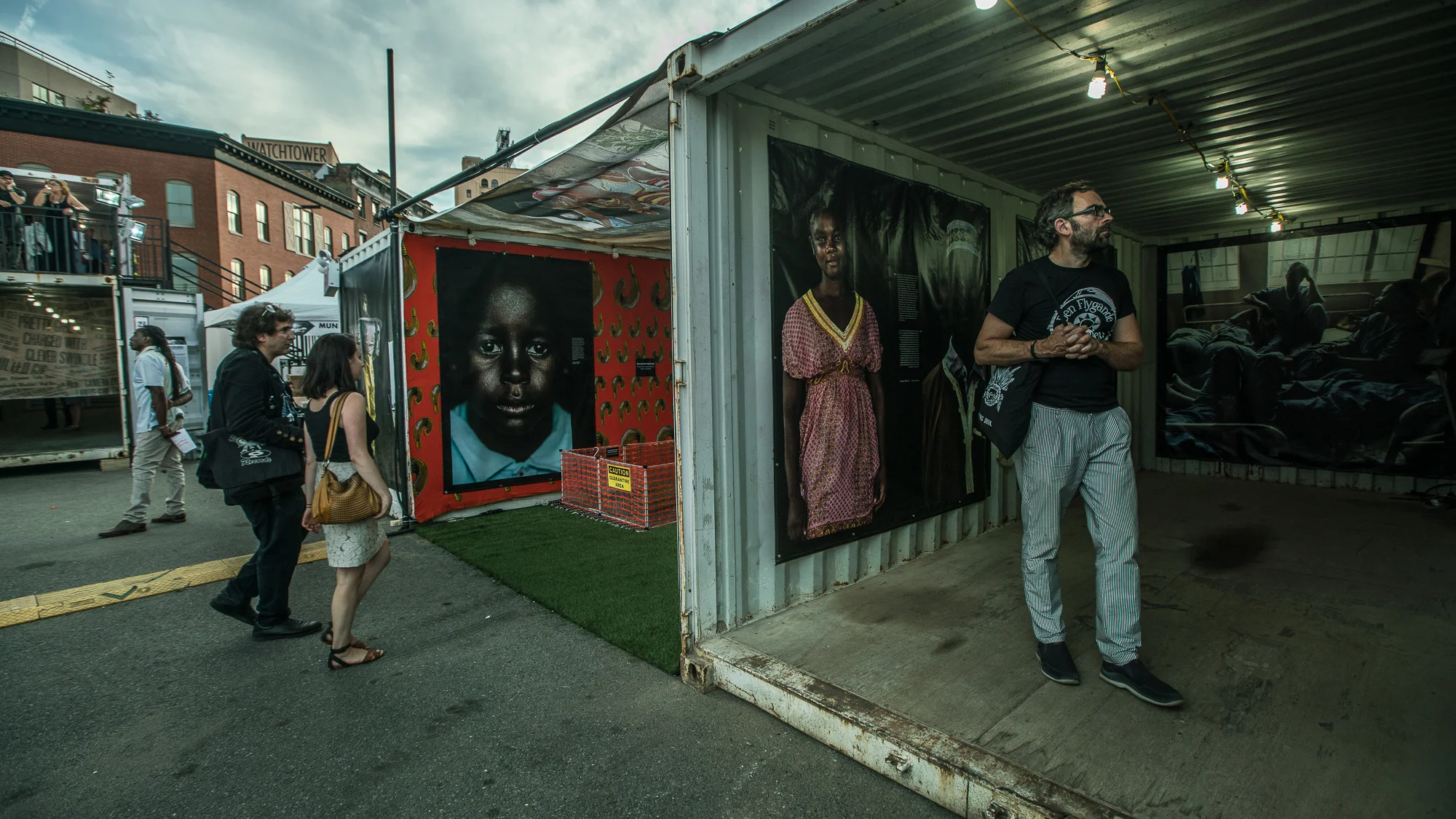
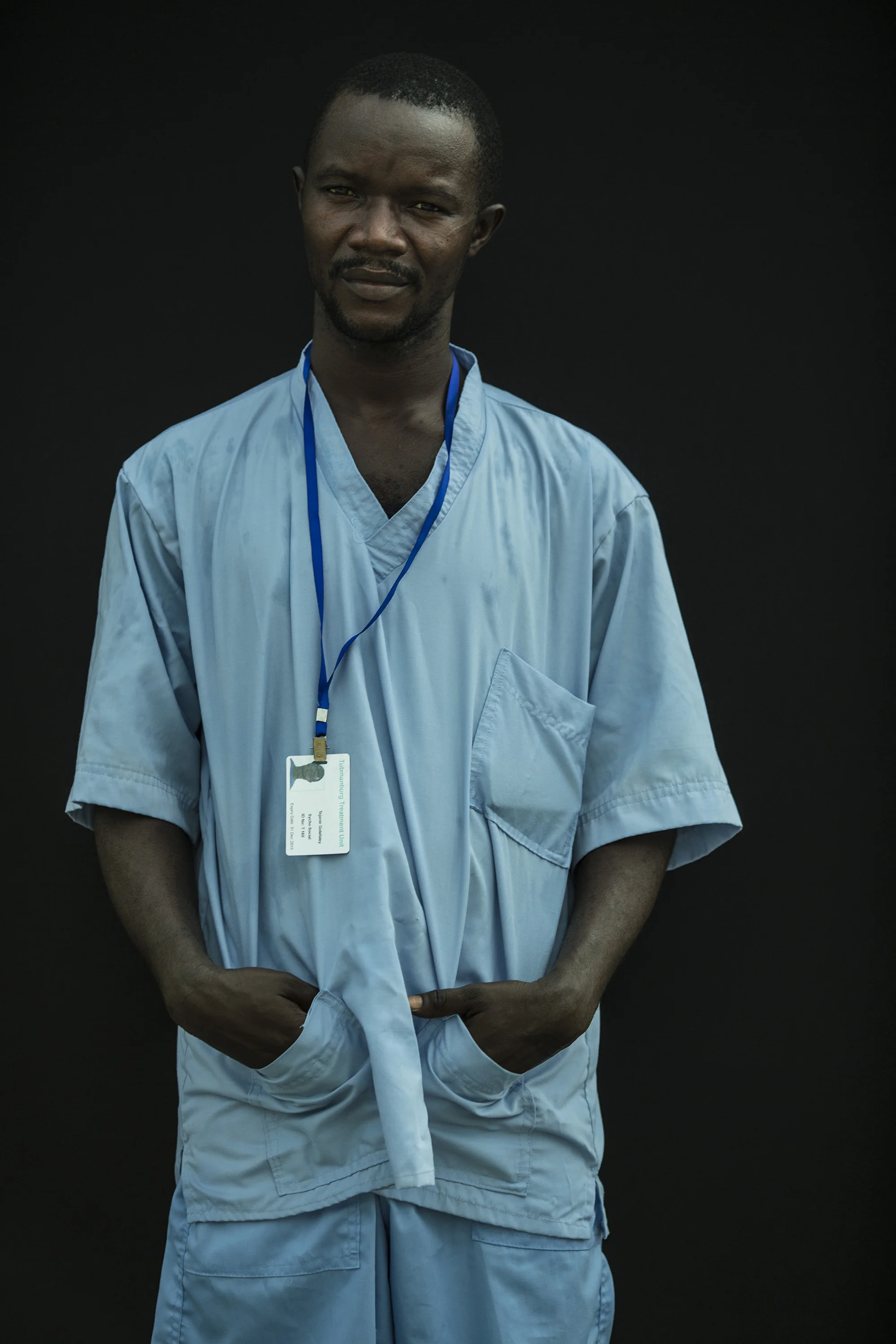

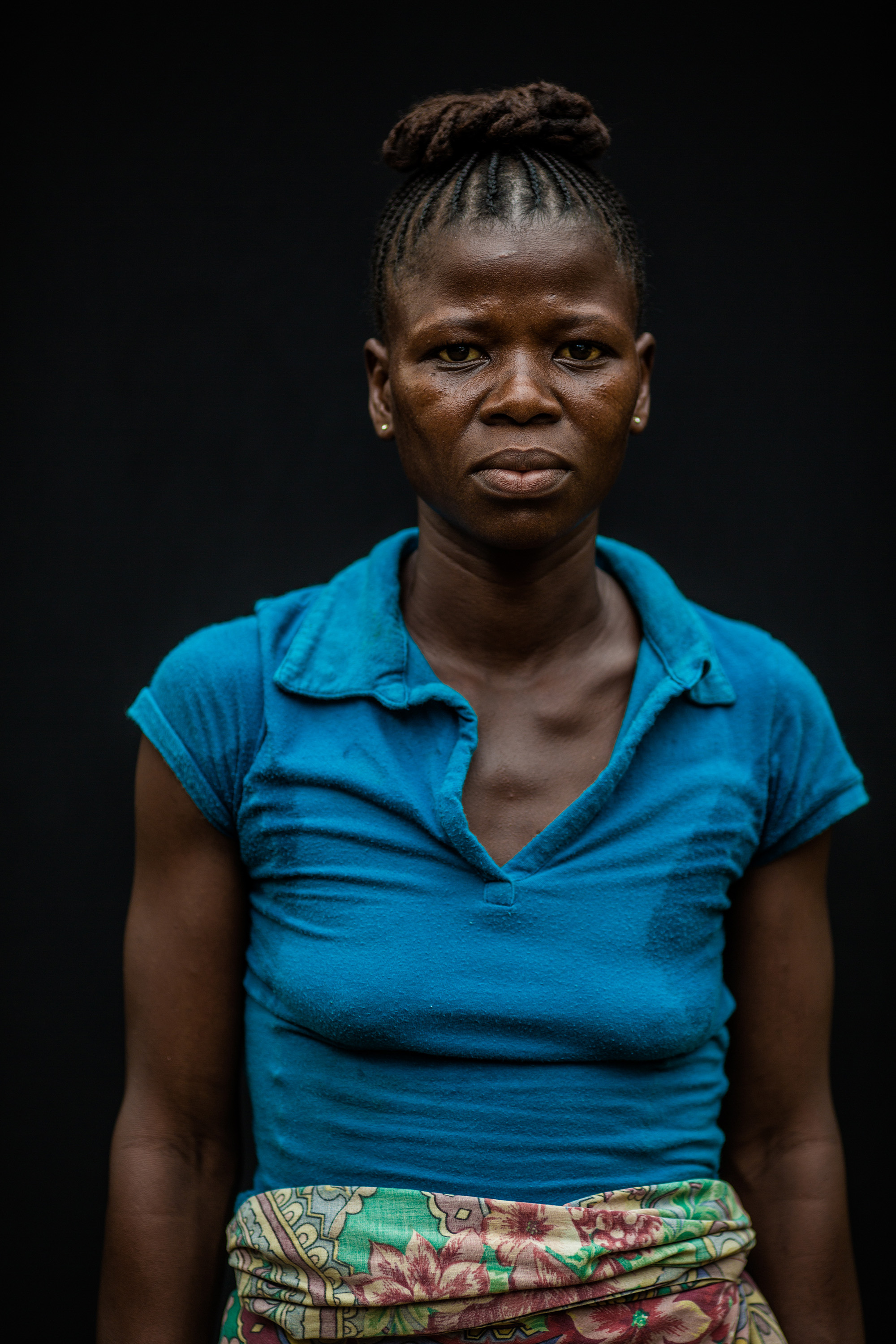
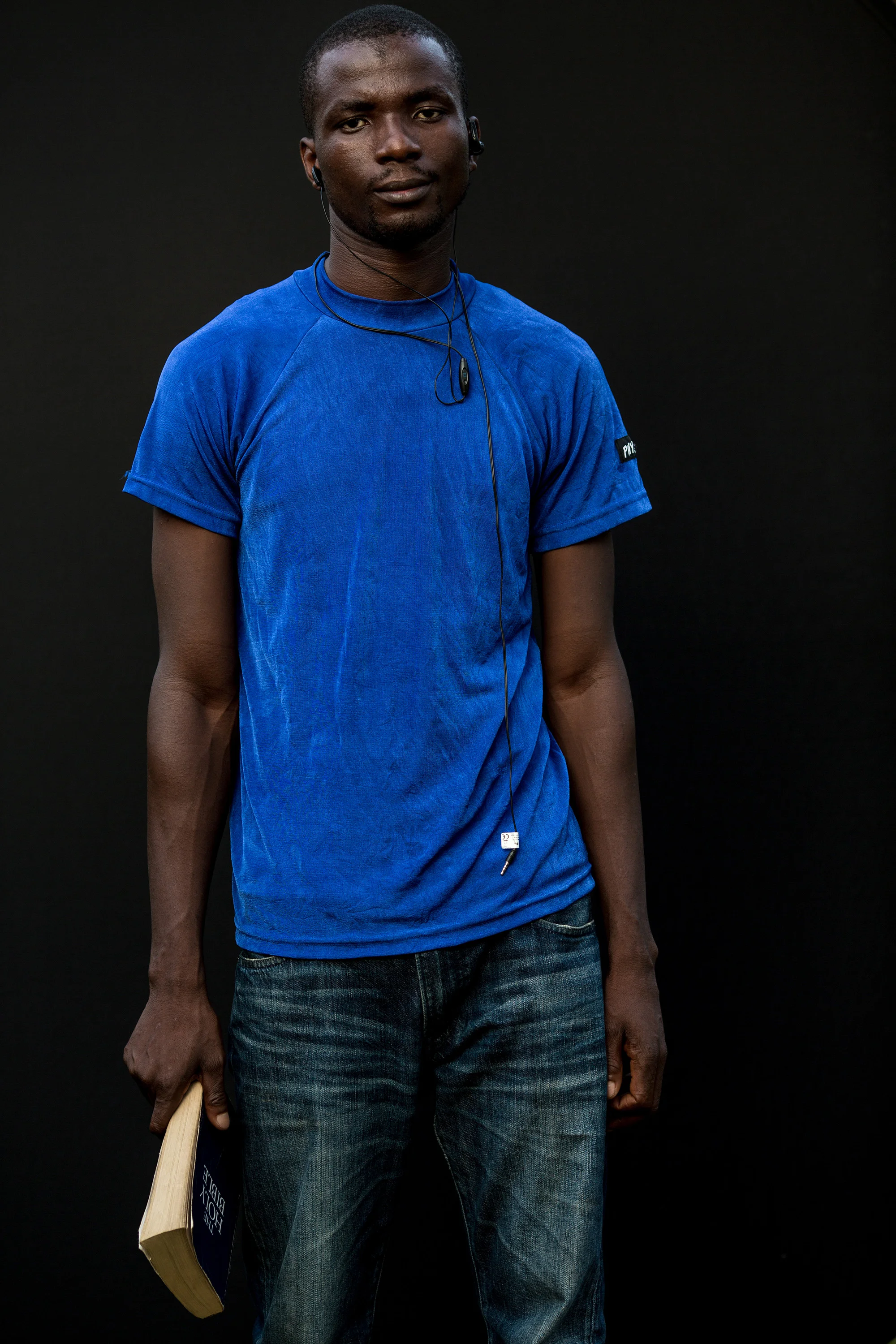
In the summer of 2014 after living in Liberia for a year and a half, I found myself living in the middle of the world’s largest Ebola outbreak. All the work I had lined up quickly morphed into capturing the unfolding outbreak and the international community’s response. There was one theme that quickly drew my interest: survivors.
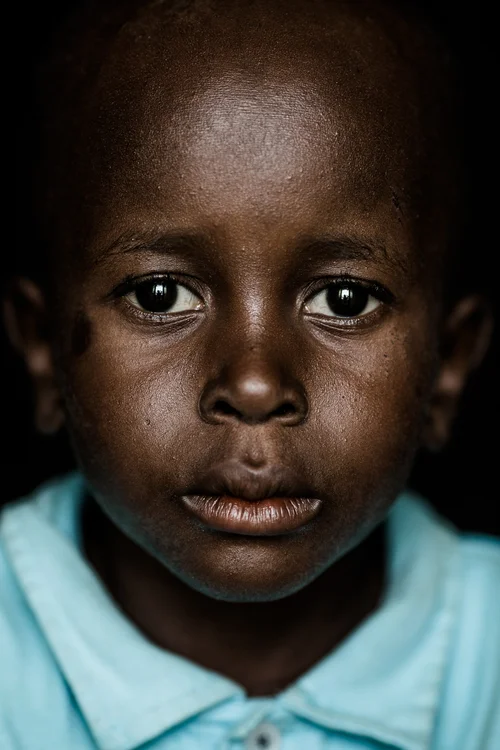
On August 31, 2014 I was photographing at the Doctors Without Borders Ebola treatment unit in Monrovia—the world’s largest Ebola treatment unit ever built. It had been open for about 3-4 weeks and many of the healthcare workers there hadn’t seen a single patient leave the facility alive. I didn’t know it when I arrived, but I soon found out that later that day they would be releasing one of the first batches of Ebola survivors. I looked across the fence as the survivors lined up to cross back into the land of the living. I was surprised to see both young and old. Male and female—no obvious common factor that made them different than the rest of the patients. One patient stood out to me—a 6 year old boy who I would later learn is named Patrick.
That day I watched as Patrick disappeared into the blue-tarp covered chlorine station. He left everything that was inside the Ebola treatment unit behind. He was given new clothes before walking out to the applause and tears of all the nearby staff. I snapped a few photos trying to keep back tears myself—it was the first sign of hope after weeks of depressing news. I followed up with Patrick and his father and they let us make this film about their story:
William and Patrick’s story reflect the broader story that chord across the country. As you heard William talk in the film Liberians wouldn’t leave sick family members to die. That’s one of the reasons it spread so quickly in Liberia. William’s story reflects the broader story of what was happening in Liberia.
It started in Lofa County on the border with Guinea. His uncle took a taxi to Monrovia where William’s wife took care of thim. That’s how she caught it. Many Liberians didn’t believe the warnings from the government. When doctors couldn’t treat their family members illness they went to traditional healers--often paying large sums of money for treatments that didn’t work.
After weeks of denial, William was one of many Liberians who started turning themselves into Ebola treatment units. That saved his life.
But, after surviving the struggle was not over. For most survivors when they walked back into the land of the living -- their world had completely changed. Members of their family were now gone. Many couldn’t go back to their homes. And they faced serious stigma. Many were not allowed back to work or they were rejected from their community. Their struggle still continued. But there were glimpses of hope.
Liberians are some of the most resilient people I know. They've been through two civil wars and now a devastating ebola outbreak. The Ebola survivors picked themselves up and got back in the game. taking on roles no one else could -- caring for children orphaned by ebola or under observation, working in Ebola treatment units, and becoming advocates for people to seek proper treatment.
Ebola survivors played an instrumental role in halting the outbreak.
Later that year our film crew was able to spend five weeks filming stories on Ebola survivors producing over 12 films about them.